Concept

Design concept prepared for CIPRB's website tender. This is not an official CIPRB website.

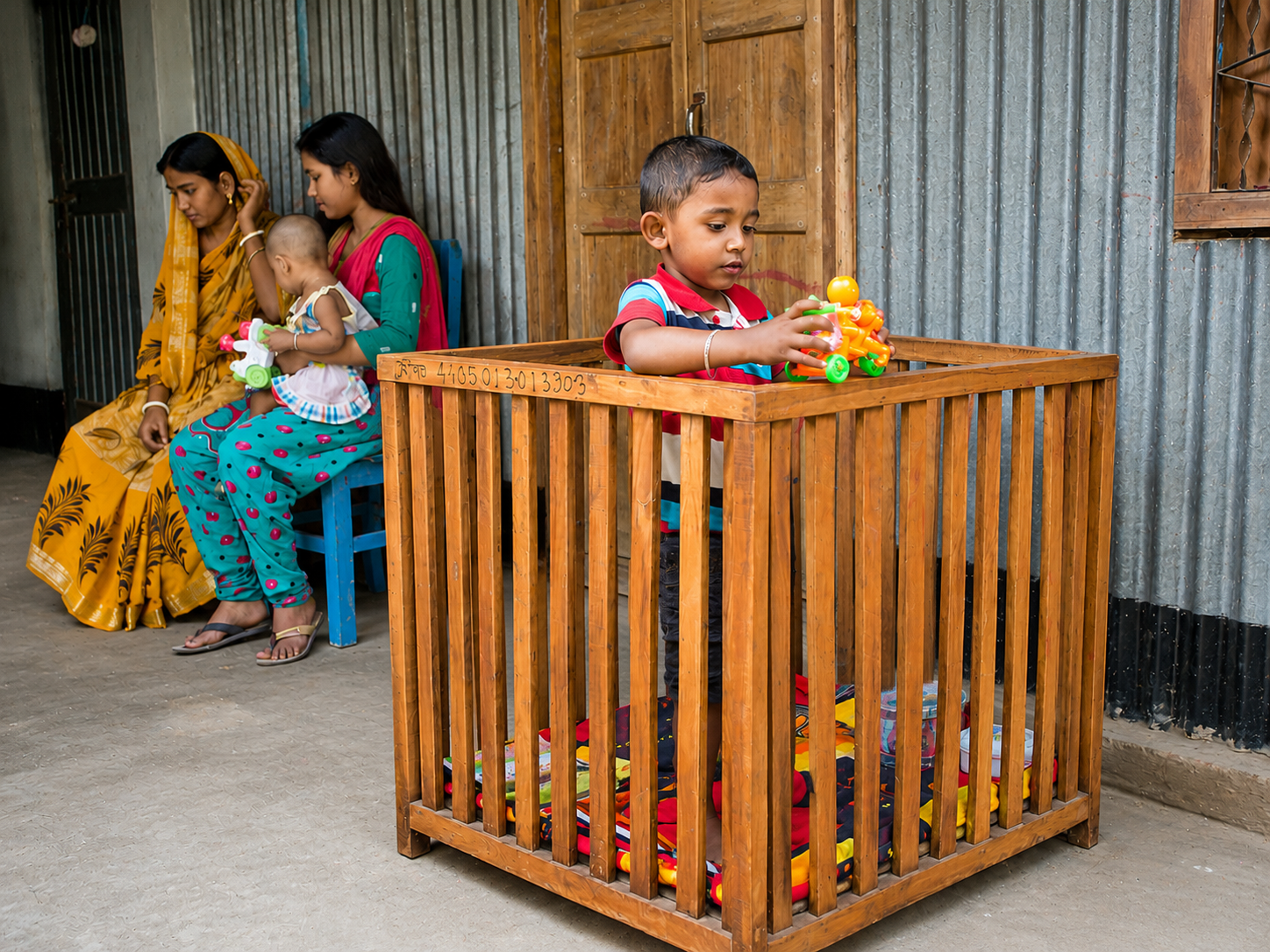
A young child in an Anchal community daycare playpen, with mothers and other children seated behind

Centre for Injury Prevention and Research, Bangladesh

Evidence for injury prevention and public health in Bangladesh

Established on 6 February 2005, CIPRB conducts research and delivers national-scale programmes in partnership with the Government of Bangladesh, United Nations agencies and academic institutions worldwide.

Recognition

Executive Director Dr Aminur Rahman has been awarded the King Edward VII Cup 2026 by the Royal Life Saving Society Commonwealth, the first recipient from Bangladesh and one of fifteen worldwide in more than four decades, following the Society's HRH Prince Michael of Kent Certificate of Merit 2024.

Read more →
0M+

People reached

0+

Districts covered

0+

Children trained in survival swimming

0

Years of operation

The evidence base

What injury costs Bangladesh, measured nationally

The Bangladesh Health and Injury Survey 2023 was conducted across all 64 districts with the Directorate General of Health Services and the Bangladesh Bureau of Statistics, covering more than 420,000 people. It is the evidence on which national injury policy now rests.

Of all deaths, at every age, are caused by injury
10.91%
People die of injury each year
98,422
Children and adults injured each year
16.5m
Permanently disabled each year
138,689

Injury mortality rate per 100,000 population, all ages

Road traffic injury
14.70
Suicide
12.42
Drowning
11.10
Fall
8.60
Electrocution
4.30
Violence
3.20
Animal bite
2.30
Burn
0.90

Source: Bangladesh Health and Injury Survey 2023, reported in CIPRB's Annual Report 2023. Falls cause the most non-fatal injury, at 3,244 per 100,000, followed by cuts at 2,002 and road traffic injury at 1,835.

Areas of work

Nine areas of research and programme delivery

CIPRB was established following the Bangladesh Health and Injury Survey, the largest community-based injury survey conducted in any low or middle income country. The approach has remained consistent: establish the burden through research, test interventions, and provide government with the evidence required to adopt them at national scale.

Flagship programmes

Developed in Bangladesh, adopted internationally

In May 2022 the World Health Organization recognised Anchal, SwimSafe and CIPRB's first responder training as best practice for drowning prevention in low and middle income countries.

All programmes
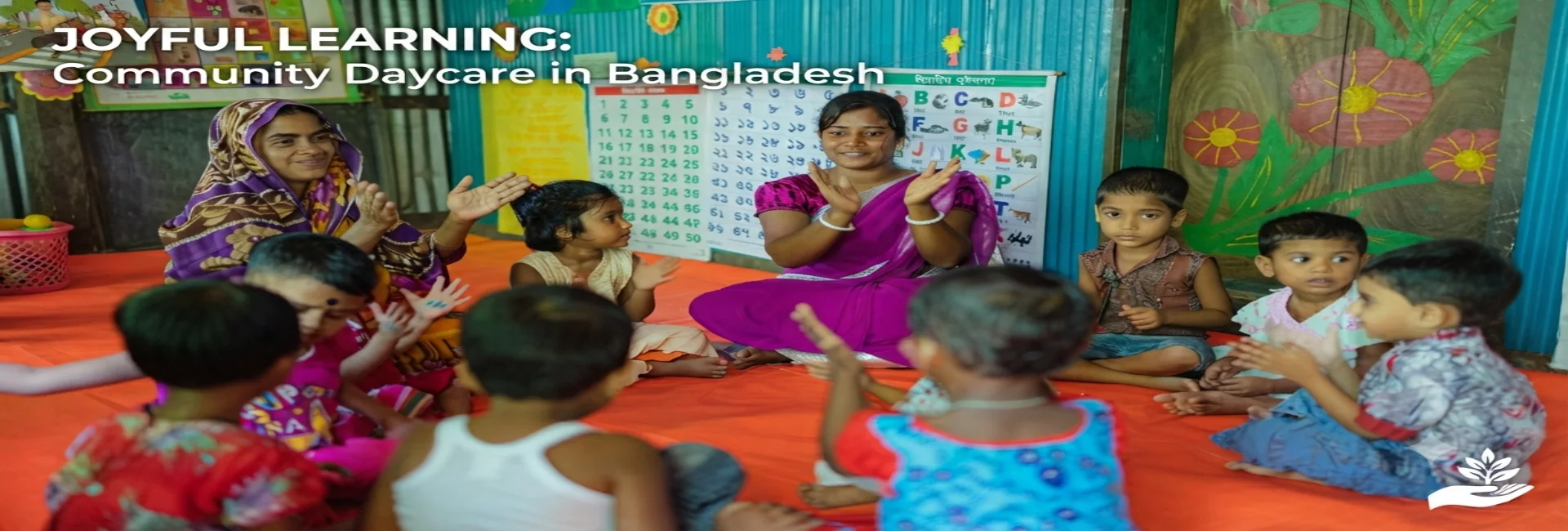
Children seated in a circle with their carer at an Anchal community daycare centre
Anchal WHO-recognised

Anchal community daycare

Supervised daycare for children aged one to five during the daytime hours in which most drowning occurs. Under the Nirapode Bhasa Project, 150 Anchal centres serve approximately 3,700 children in Taltoli, Barguna and Bakerganj, Barishal.

80% protective

against drowning, as established by research and reported in the Annual Report 2023

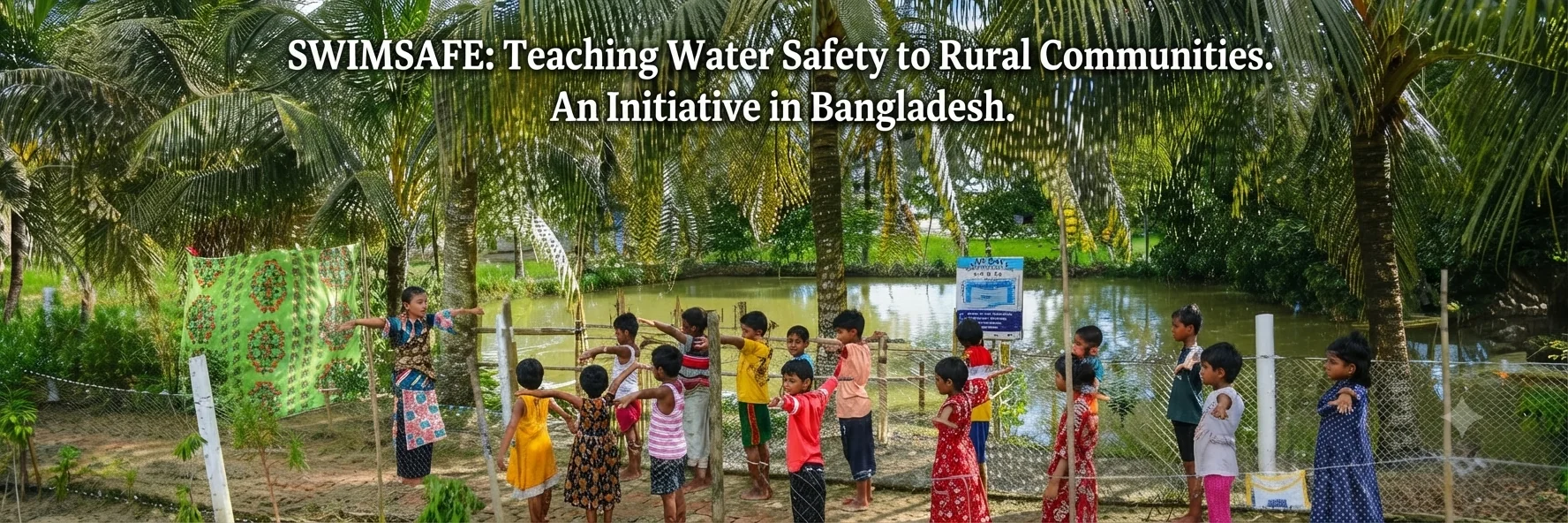
Children gathered at the edge of a village pond for a SwimSafe survival swimming lesson
SwimSafe WHO-recognised

SwimSafe survival swimming

Children graduate once they can swim 25 metres, float or tread water for 30 seconds and perform a land-based reach and throw rescue. In 2026, with the support of UNICEF, CIPRB is training 16,400 children across eight districts including the Dhaka city corporations.

90% protective

against drowning for children aged 6 to 10, with 700,000+ trained to date

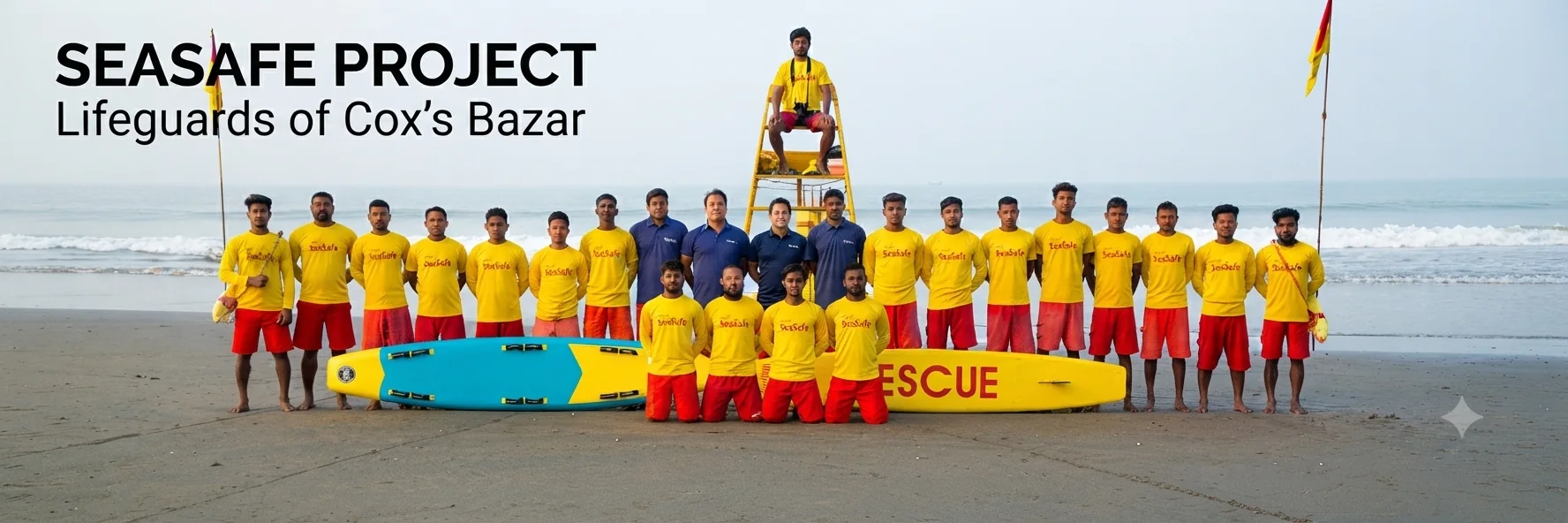
The SeaSafe lifeguard team assembled with rescue boards on the beach at Cox's Bazar
SeaSafe

SeaSafe lifeguard service

The only professional beach lifeguard service in Bangladesh, in operation for twelve years at the country's principal tourist destination. CIPRB is working with the Bangladesh Tourism Board on extension to further beaches.

27 lifeguards

across three sea beaches at Cox's Bazar

National adoption

When government takes the model over, the research has done its job

In 2024 the Bangladesh Shishu Academy, under the Ministry of Women and Children Affairs, formally took over CIPRB's 2,299 functional CreCHeS childcare centres and the 57,475 children attending them.

In April 2024 the Academy launched the Integrated Community-Based Center for Child Care, Protection and Swim-Safe Facilities Project, operating 8,000 childcare centres nationwide. CIPRB continues to provide technical leadership for survival swimming and first response training, and implements directly in Barishal. The CreCHeS Project was delivered with the Johns Hopkins Bloomberg School of Public Health with support from Bloomberg Philanthropies, across seven upazilas in Sirajganj, Sherpur, Narsingdi, Chandpur and Cumilla.

Project Bhasa, delivered with the Ministry of Women and Children Affairs and technical support from the RNLI and the Princess Charlene of Monaco Foundation, phased out in the same year, with its 516 Anchal centres and SwimSafe activities absorbed into the government programme.

2024 in numbers

Centres transferred to government
2,299
Children in those centres
57,475
Centres nationwide receiving CIPRB technical support
8,000
Children graduated in survival swimming
360,000
NGO staff trained in first response
1,596
Vehicles observed for road safety risk factors
642,531

Source: CIPRB Annual Report 2024. Road safety monitoring was conducted in Dhaka North and Chattogram City Corporations with the Bloomberg Philanthropies Initiative for Global Road Safety, using observation protocols from the Johns Hopkins International Injury Research Unit.

Reproductive and Child Health

Eliminating obstetric fistula in Sylhet Division

Obstetric fistula is treatable and largely preventable, yet it persists where poverty, early marriage and distance from care coincide. Since January 2019 the Directorate General of Health Services has implemented the End Obstetric Fistula Programme across Sylhet, Moulvibazar, Habiganj and Sunamganj, funded by UNFPA with technical support from CIPRB and four functional fistula corners at district hospitals.

Tea gardens declared fistula-free
26
Households screened
12,650

In 2024 alone

92
identified
78
referred
57
operated
47
rehabilitated

53 per cent of cases were found on plain land, 43 per cent in haor areas and the remainder in tea gardens. Fifteen per cent of patients had lived with the condition for more than ten years.

Read the programme in full

Sylhet Division, January 2019 to December 2023

Identified at district fistula corners448
Referred to tertiary hospitals351
Operated on295
Fully recovered235
Received rehabilitation support179

Rehabilitation is coordinated with the Departments of Social Welfare and Women's Affairs to support survivors returning to work and to community life.

Where we work

Programme coverage across Bangladesh

The Bangladesh Health and Injury Survey 2023 was conducted across all 64 districts and more than 420,000 people, in partnership with the Directorate General of Health Services and the Bangladesh Bureau of Statistics. Programme coverage can be filtered by programme, by partner and by year.

Drowning Maternal health Road safety Disabilities Nutrition
Open the interactive map

All programmes

0 districts

News and events

Recent activity

CIPRB representatives and government officials at a consultation meeting
Road Safety

Consultation with DGHS on the behavioural risk factors behind road crashes

CIPRB convened officials of the Directorate General of Health Services and the Bangladesh Road Safety Project, with financial support from the Global Road Safety Partnership. Programme Manager Kazi Burhan Uddin presented research findings on speeding, helmet use, seatbelts and child restraints, and identified gaps between existing national law and the Safe System Approach. Deputy Executive Director Dr Salim Mahmud Chowdhury called for comprehensive, evidence-based legislation aligned to international standards.

Reported in six national outlets
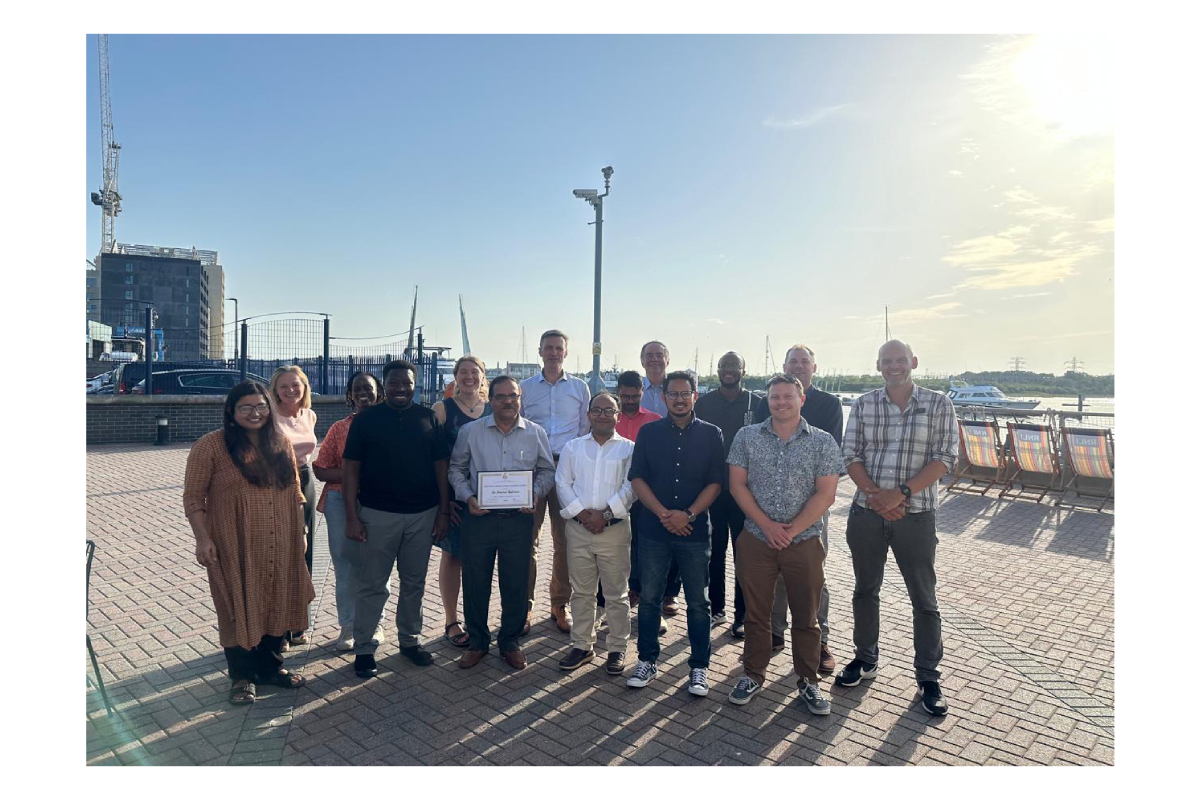
Dr Aminur Rahman receiving an award for his contribution to drowning prevention
Recognition

Executive Director awarded the King Edward VII Cup 2026

The Royal Life Saving Society Commonwealth, a United Kingdom charity governed by Royal Charter, has conferred its highest service award on Dr Aminur Rahman for his contribution to drowning prevention internationally. He is the first recipient from Bangladesh and one of fifteen worldwide in more than four decades.

Reported by Jagonews24, The Daily Ittefaq, Samakal and others
Maternal Health

Bagerhat agrees fistula screening across three upazilas

An advocacy meeting at the Civil Surgeon's Office, funded by UNFPA with technical assistance from CIPRB, brought together thirty participants from the district hospital, the Family Planning Department and the Department of Women Affairs to strengthen identification, referral and treatment.

Drowning Prevention

Tourism Board workshop considers extension of SeaSafe

At a workshop convened by the Bangladesh Tourism Board and the district administration in Cox's Bazar, CIPRB presented twelve years of lifeguard service and requested extension of the service to further beaches.

SwimSafe

UNICEF-supported survival swimming reaches 16,400 children

CIPRB is delivering survival swimming training to 16,400 children across eight districts in 2026. In Dhaka, 388 of a planned 1,000 children had completed training at the time of reporting. Covered by Ekattor Television.

Climate Resilience

Disaster Risk Reduction Day: injury risk rises during disasters

Marking the International Day for Disaster Risk Reduction, CIPRB set out how the Nirapode Bhasa Project combines Anchal daycare and SwimSafe training with work to make both interventions more climate-resilient.

SeaSafe

Forty tourists rescued from a rip current in a single afternoon

A rip current at Shugondha Beach, Cox's Bazar put forty young tourists at risk. The SeaSafe lifeguard team responded with jet-ski support and all forty were brought in. Across 2024 the service rescued 143 people and recorded no drowning deaths inside its patrolled areas.

Who we are

Evidence for safe and quality life

CIPRB began its journey in 2005 with a vision to eliminate injuries from Bangladesh. Its work now spans health, safety and community development, and has been replicated across several Asian countries.

Vision
Healthy and dignified life for all in a safe and productive environment.
Mission
To generate evidence, transfer knowledge and skills, and promote integrated services and technologies for healthy life.
Values
Integrity Innovation Equality Diversity Excellence

Twenty-one years

  1. 2005

    CIPRB founded on 6 February, following the Bangladesh Health and Injury Survey.

  2. 2008

    Contributed to the World Report on Child Injury Prevention.

  3. 2009 to 2010

    Reproductive and Child Health division launched, followed by the Non-Communicable Disease, Road Traffic Injury and International Drowning Prevention and Research divisions.

  4. 2012

    Community-led child drowning prevention measures developed and recognised internationally.

  5. 2016

    Maternal and Perinatal Death Review and Quality Care Model established. Bangladesh Health and Injury Survey repeated.

  6. 2020

    Nationwide Blindness Survey conducted with National Eye Care and the Directorate General of Health Services.

  7. 2021

    United Nations Resolution on Drowning Prevention adopted.

  8. 2022

    WHO recognises Anchal, SwimSafe and first responder training as best practice for low and middle income countries.

  9. 2023

    Bangladesh Health and Injury Survey conducted across all 64 districts. World Health Assembly adopts its resolution on drowning prevention.

  10. 2024

    Government adopts the model. The Bangladesh Shishu Academy takes over 2,299 childcare centres and 57,475 children, and scales to 8,000 centres nationwide.

How we work

Safeguarding is a published policy, not a statement of intent

CIPRB's Safeguarding Policy for Children and Vulnerable Adults has been in force since 2019, with mandatory orientation for all staff at head office and in the field, a visitors' code of conduct, and a seven-member safeguarding committee chaired by the Executive Director.

What that means for the images on this site

  • Consent is obtained verbally and in writing before any photograph or video is taken.
  • Images must be respectful and dignified, and must never present people as victims, as vulnerable or as submissive.
  • No image is published online in any way that reveals a child's identity or location without explicit consent.

Leadership

Senior Management Team

CIPRB's research and programmes are directed by a team with doctoral training at Karolinska Institutet and Hamamatsu University School of Medicine, and with clinical, programmatic and policy experience across the Bangladeshi health system.

Full team directory
Portrait of Dr Aminur Rahman

Dr. Aminur Rahman

Executive Director

PhD, Karolinska Institutet. Director of the International Drowning Research Centre Bangladesh and Portfolio Director for Drowning Prevention at the Royal Life Saving Society Commonwealth.

Portrait of Dr Salim Mahmud Chowdhury

Dr. Salim Mahmud Chowdhury

Deputy Executive Director

MPH and PhD, Karolinska Institutet. Responsible for the organisation's operations since 2015, alongside his research role.

Portrait of Professor Dr Md Abdul Halim

Prof. Dr. Md. Abdul Halim

Director, Reproductive and Child Health

Obstetrician and gynaecologist. PhD, Hamamatsu University School of Medicine; MPH, Karolinska Institutet; FCPS and MS in Obstetrics and Gynaecology. Over thirty years across clinical, programme and research work, leading the department since 2010.
Portrait of Dr Abu Sayeed Md Abdullah

Dr. Abu Sayeed Md. Abdullah

Team Leader, Reproductive and Child Health

MPH, North South University; MSc in Microbiology and a degree in veterinary medicine, Bangladesh Agricultural University. More than fifteen years in public health and over thirty published research articles.

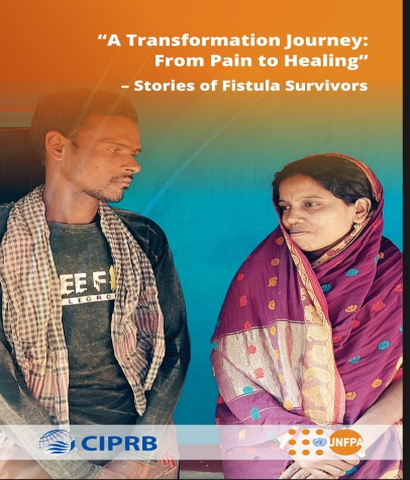
Cover of CIPRB's published case story collection on fistula survivors

Case story

Treatment, rehabilitation and reintegration

Women living with obstetric fistula are frequently separated from work, from family and from community life. Surgical repair addresses the condition; it does not on its own restore livelihood or social standing.

Of the 448 women identified through the Sylhet Division programme, 179 have received need-based rehabilitation support, coordinated with the Departments of Social Welfare and Women's Affairs. In the tea garden communities, where early marriage and distance from care place women at highest risk, 26 estates have been screened and declared fistula-free, supported by awareness materials developed with the Civil Surgeon of Moulvibazar and UNFPA.

Read more case stories

Accountability

Where the funding comes from, and where it goes

CIPRB's accounts are externally audited each year. The figures below are from the consolidated statements for the financial year ended 30 June 2024, audited by Artisan Chartered Accountants.

Total income

BDT 54.7 crore

547,231,023

Of which donor grants

BDT 42.8 crore

427,926,885

Expenditure by category, year ended 30 June 2024

Personnel
40.1%
Programme
30.8%
Administration
21.5%
Seminars and workshops
3.5%
Travel
2.3%
Training
1.8%

Annual reports

Published record, 2018 to 2024

Each report sets out the year's research, programmes, awards and audited accounts.

Also published

Scientific publications, case stories, activity reports, fact sheets, brochures and newsletters are indexed in the searchable publications repository.

Browse all publications

Partners and collaborators

Government, United Nations agencies and academic institutions

Government of Bangladesh

  • Directorate General of Health Services
  • Directorate General of Family Planning
  • Non-Communicable Disease Control Programme
  • Ministry of Women and Children Affairs
  • Bangladesh Shishu Academy
  • Ministry of Youth and Sports
  • Bangladesh Bureau of Statistics
  • Bangladesh Road Transport Authority
  • Bangladesh Tourism Board

Donors and international organisations

  • World Health Organization
  • UNICEF
  • UNFPA
  • Bloomberg Philanthropies
  • National Institute for Health and Care Research, UK
  • Royal National Lifeboat Institution
  • Royal Life Saving Society Commonwealth
  • Royal Life Saving Society Australia
  • Princess Charlene of Monaco Foundation
  • Global Road Safety Partnership
  • Save the Children
  • Plan International
  • CARE Bangladesh

Universities and research institutes

  • Johns Hopkins Bloomberg School of Public Health
  • Johns Hopkins International Injury Research Unit
  • Karolinska Institutet
  • Bournemouth University
  • University of Southampton
  • University of the West of England
  • Liverpool School of Tropical Medicine
  • The University of Texas at Austin
  • Bangabandhu Sheikh Mujib Medical University
  • Chittagong Medical College
  • National Heart Foundation of Bangladesh
  • RTI International